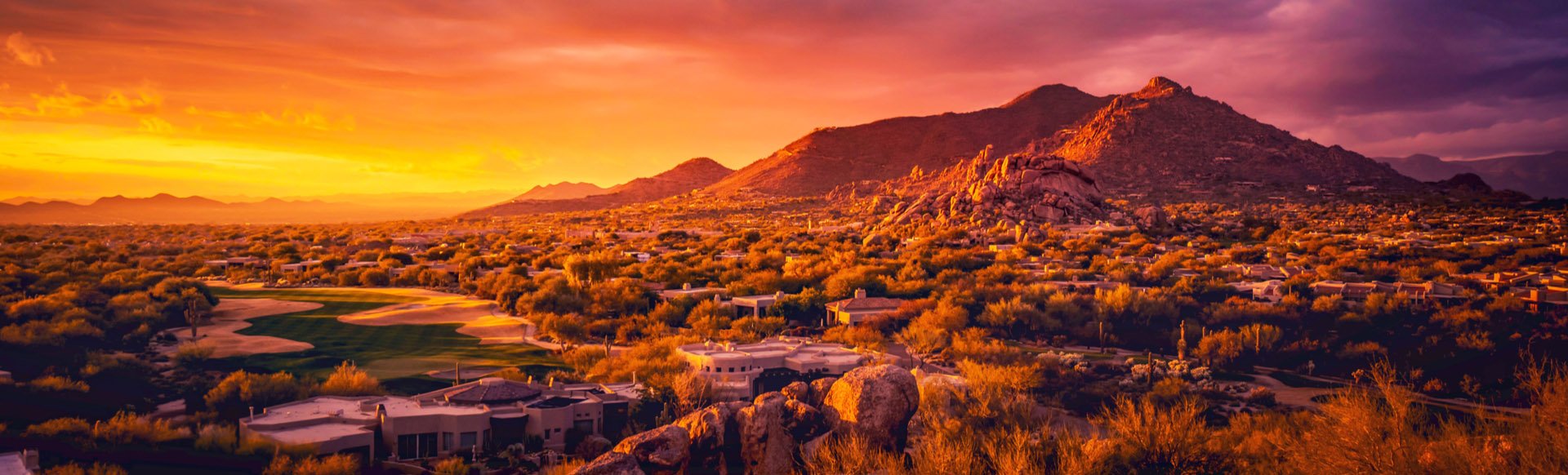
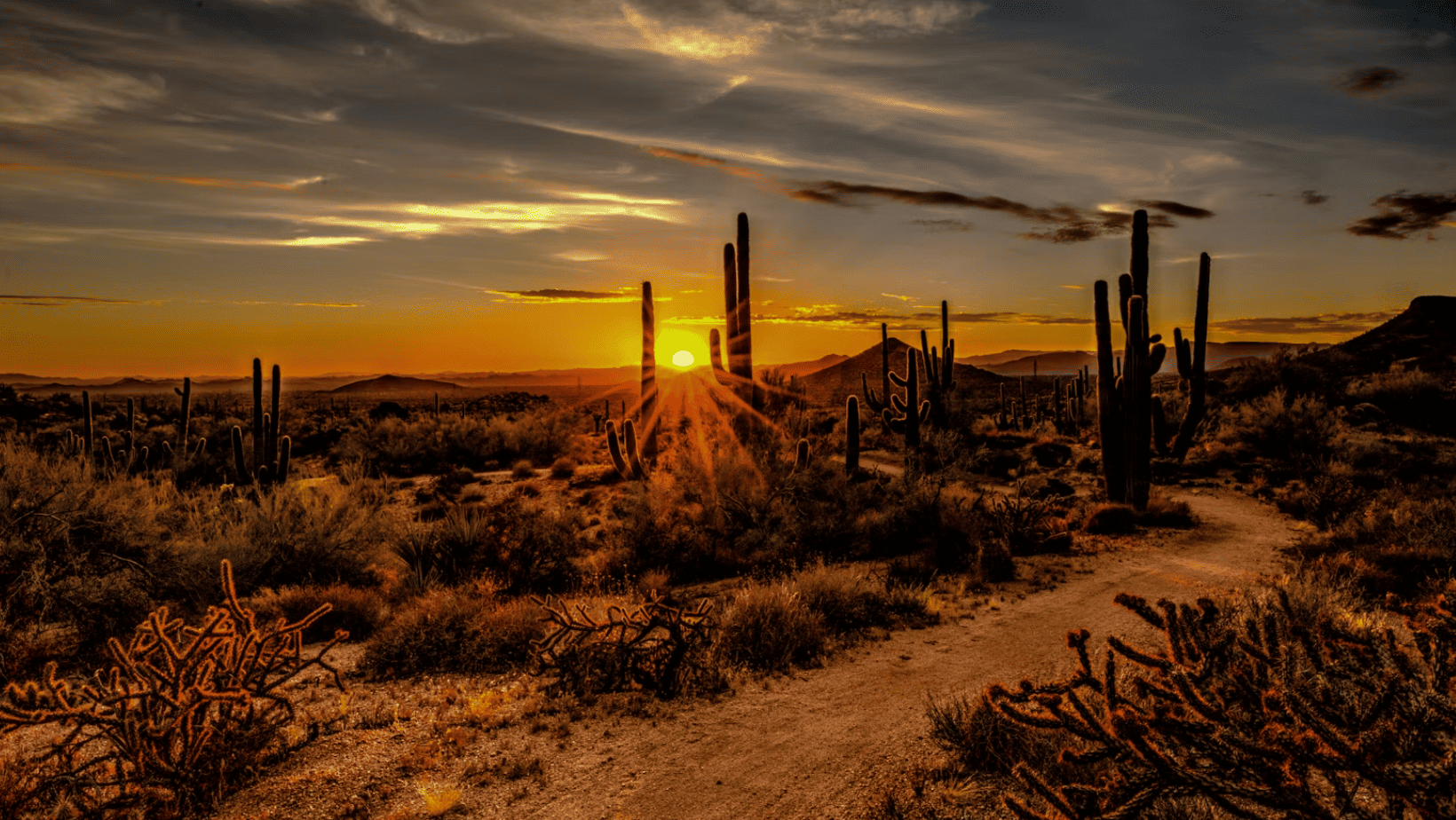
Scottsdale’s story is one of remarkable transformations.
What began as a small desert farming community in the late 1800s has evolved into one of America’s premier destinations for luxury travel, arts, wellness, and outdoor adventure. Yet despite decades of rapid growth, Scottsdale has managed to preserve the Western spirit and natural beauty that first drew settlers to the Sonoran Desert.
The city’s roots trace back to 1888, when U.S. Army Chaplain Winfield Scott purchased 640 acres in the Salt River Valley. Drawn by the area’s fertile land and sunshine, Scott envisioned a thriving agricultural settlement supported by irrigation canals. Early Scottsdale was centered on citrus groves, ranching, and farming, with a small but tight-knit population that valued education, culture, and community.
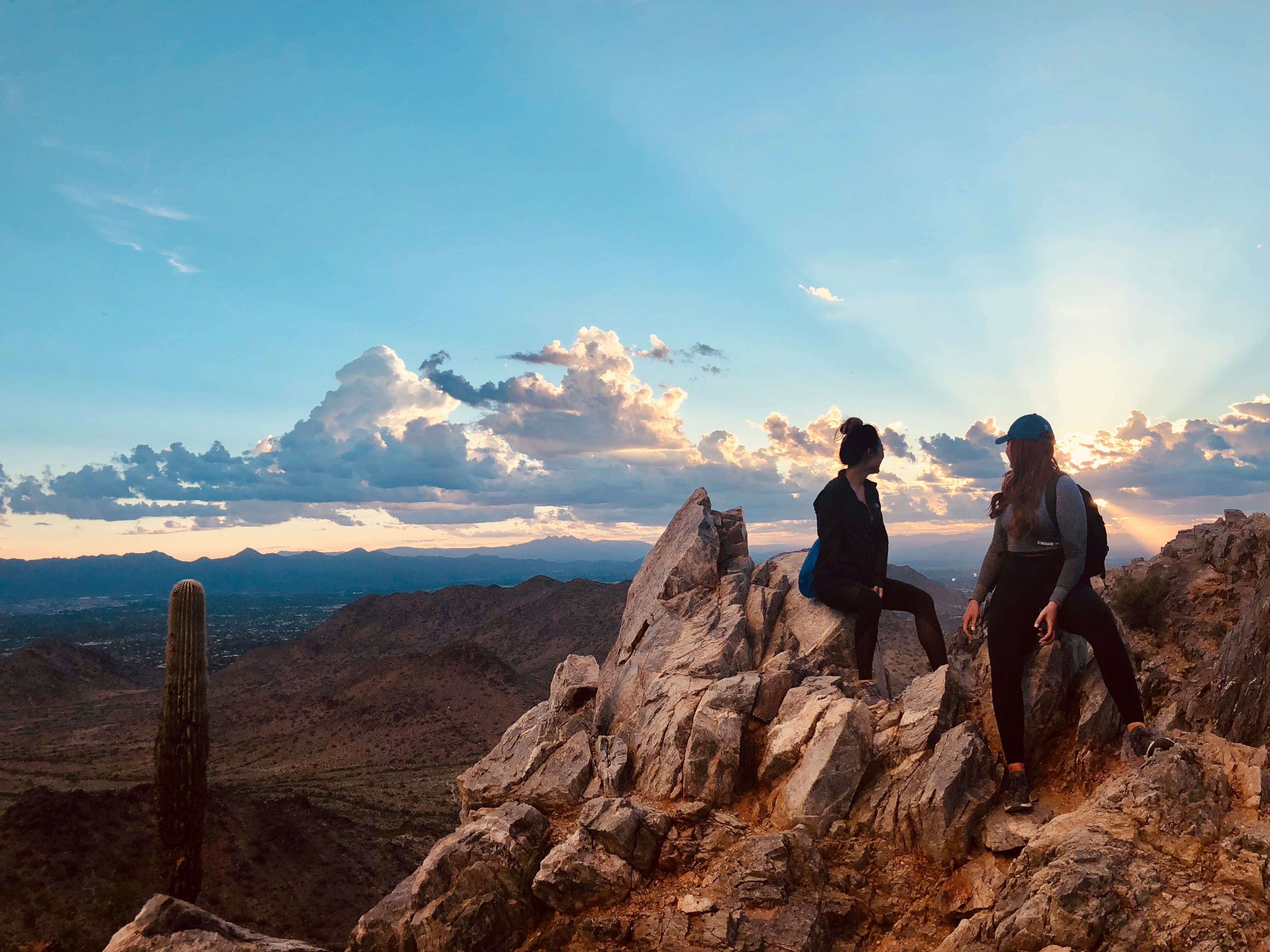
Amazing Scenery
Scottsdale’s Transformation Over the Years
The Rise of a Desert Retreat
In the early 20th century, Scottsdale began attracting visitors seeking dry desert air and warm winter weather. Resorts such as the Ingleside Inn and Jokake Inn helped establish the city as a peaceful retreat for travelers and seasonal residents. At the same time, artists, writers, and architects were drawn to the desert landscape, helping shape Scottsdale’s creative identity.
One of the most influential figures during this era was famed architect Frank Lloyd Wright, who established Taliesin West in 1937 at the base of the McDowell Mountains. His presence helped position Scottsdale as both a cultural destination and a center for innovative desert design.
Scottsdale’s Incorporation and Rapid Growth
Scottsdale officially incorporated in 1951 with a population of approximately 2,000 residents. City leaders embraced a distinctive Western image, adopting the motto “The West’s Most Western Town.” During the 1950s and 1960s, Scottsdale experienced significant expansion fueled by improved infrastructure, air conditioning, tourism, and new business development.
Signature events like Parada del Sol and spring training baseball helped cement Scottsdale’s reputation as a destination for entertainment and recreation. New neighborhoods, businesses, and resorts continued to emerge as more people discovered the appeal of desert living.
“I love it. It is wild with adventure.” – Henry Starr
Balancing Progress with Preservation
As the city expanded, Scottsdale carefully balanced modernization with preservation. One of the most notable examples was the transformation of Indian Bend Wash. Instead of constructing a concrete flood channel, the city created a greenbelt filled with parks, golf courses, lakes, and recreational paths. This innovative project became a national model for urban planning and demonstrated Scottsdale’s long-term commitment to livability and sustainability.
The city also focused on preserving its desert environment. The creation of the McDowell Sonoran Preserve protected thousands of acres of natural landscape, ensuring that Scottsdale’s scenic beauty would remain part of its identity for generations to come.
The Emergence of a Luxury Destination
By the late 20th century, Scottsdale had become internationally recognized for luxury resorts, championship golf courses, fine dining, and upscale shopping. Master-planned communities expanded north into the Sonoran Desert, while Old Town Scottsdale evolved into a vibrant district filled with galleries, restaurants, nightlife, and cultural attractions.
Tourism flourished as visitors sought everything from spa retreats and outdoor adventures to culinary experiences and art festivals. Scottsdale successfully blended modern luxury with its Southwestern roots, creating a destination unlike any other in the American Southwest.
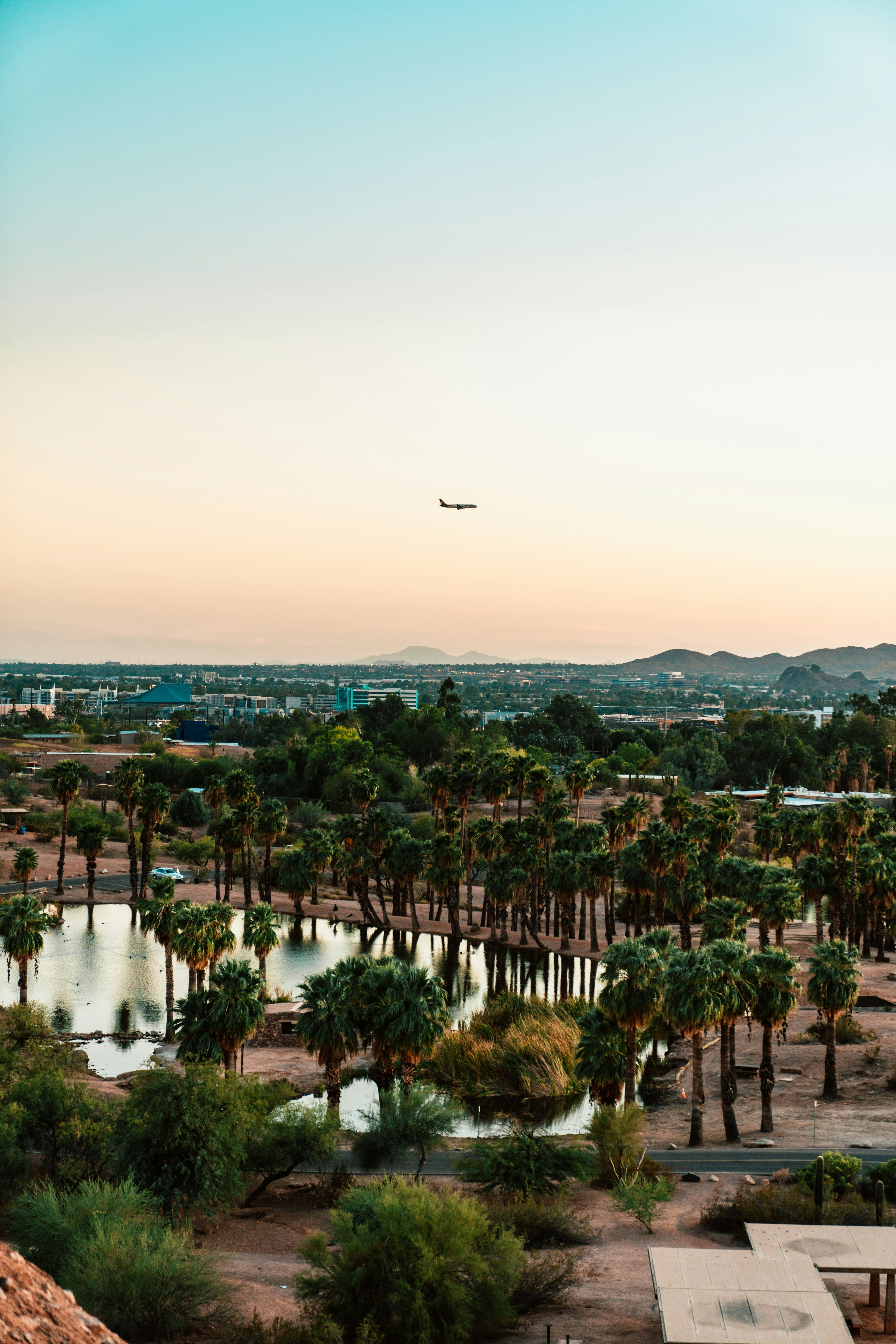
Scottsdale is a modern city now
Scottsdale Today and Beyond
Today, Scottsdale continues to evolve while honoring its heritage. Visitors can explore historic landmarks in Old Town, experience Native American and Southwestern culture, hike scenic desert trails, or enjoy world-class spas and contemporary resorts.
New developments, boutique hotels, and innovative dining concepts continue to shape the city’s future, yet Scottsdale’s identity remains grounded in its blend of Western charm, artistic creativity, and desert beauty.
From a humble farming settlement to a globally recognized travel destination, Scottsdale’s transformation reflects both visionary growth and a deep respect for the past. It is a city that has embraced change without losing sight of the landscape, culture, and character that make it uniquely Scottsdale.
Experience Scottsdale's transformation firsthand when you stay in a vacation rental in the city.